
Amelia Jones has been interning with the grassroots team at Results UK for the past seven weeks. She is an International Relations student at the University of Wisconsin–Madison.
In February of this year, the University of Wisconsin–Madison confirmed a new case of measles among the student body. The university’s response was immediate. Measles is one of the most contagious known diseases: a single infected person can transmit the virus to up to eighteen unvaccinated individuals in the same vicinity.
Even from London, where I am currently interning with Results UK, I felt the effects of that single diagnosis. My inbox was filled with urgent emails about the severity and risk of the virus. I received text messages warning students to avoid certain areas on campus. And, as with every other student, I was required to upload my vaccination records to the University Health Services public database.
My roommates and I scrambled to call our parents and track down our documents to submit our information before the deadline. As we did this, we discussed the likelihood of individuals refusing to share their personal information or their overall apprehensiveness to get a jab. The conversation shifted toward a more unsettling question: what are the dangers of the growing anti-vaccination movement?
Vaccines are not a recent scientific breakthrough, but one of the most established tools in public health. Since Edward Jenner created the first ever vaccine for smallpox in 1796, humankind has seen the benefits of working towards herd immunity to tackle infectious diseases. Jenner’s breakthrough led to the eradication of smallpox in 1980. And much like today, there was a strong backlash against his vaccine.
What feels different now is not the existence of scepticism, but its scale, the speed at which it has grown, and the political weight the movement holds. During the COVID-19 pandemic, public scepticism of scientific innovation moved into the centre of public life. In the United States, too many people were comfortable ignoring scientific research for the opinions of politicians. Public health became the zeitgeist: it was something you debated at the dinner table, argued about on social media, and, in many cases, protested in the streets.
Living through that moment reshaped how I understand public health and vaccines entirely. There was a notable shift in the American perception of healthcare. People no longer made their medical decisions based on data and fact, but rather on how much trust they had in the system. I remember that in the early days of the coronavirus vaccine rollout, there was a sense of collective urgency to get as many people vaccinated as possible. Appointments were scarce and highly sought-after. People were desperate to protect themselves and their families. But that urgency seemed to leave as quickly as it came.
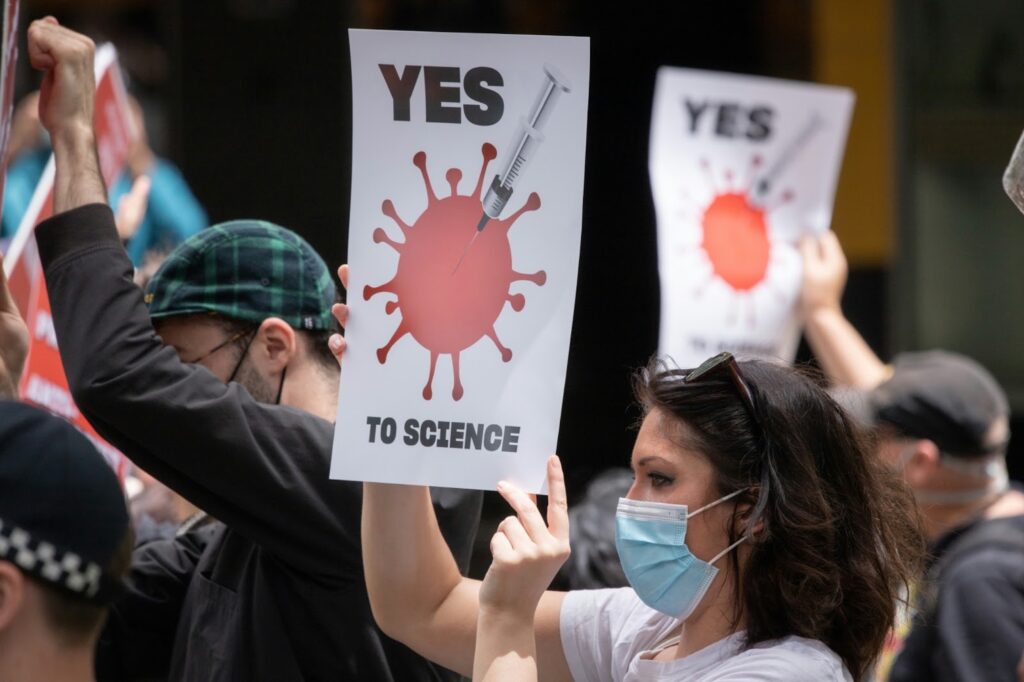
the legitimacy of the coronavirus vaccine became a hot topic during the pandemic
Misinformation about vaccines spread rapidly through the US, and people who knew nothing about the development process of a vaccine were making claims about microchips, fertility risks, and government control. These narratives were not just confined to social media, but began to shape real political decisions both during and since the pandemic. Most notably has been Robert F. Kennedy Jr.’s appointment as the US Secretary of Health and Human Services in 2025, which now leaves the most influential post in American public health held by an anti-vaccine activist.
RFK Jr’s spread of misinformation has led many Americans to forget that vaccines are a proven way of protecting as many people as possible. This shift has weakened the whole point of vaccines in the first place, which is to reach herd immunity in order to keep entire communities safe from preventable diseases. It’s this kind of anti-vaccine sentiment that allows these diseases to start making a comeback, leading to outbreaks like the measles cases at UW–Madison.
The anti-vaccine groups in the United States have not only managed to sway a significant portion of public opinion, but have also contributed to the Trump administration’s broader retreat from global health leadership. RFK Jr.’s move to cut US aid to GAVI, the global vaccine agency, is based on his claims that the organisation is not following scientific data in their production processes. When misinformation makes its way into public health policy in one of the world’s most influential countries, it has global impact.
In recent years, similar patterns to the ones seen in the US have appeared in other countries. In the UK for example, vaccine scepticism seems to be gaining political traction, public trust in the NHS is slowly eroding, and the government is becoming more and more hesitant on funding international health initiatives, such as the Global Fund to Fight AIDS, Tuberculosis and Malaria which has seen a 45% cut in funding from the UK Government since 2020.
At the same time, the reality of the profound benefit of vaccines remains unchanged. Vaccines are still one of the most necessary tools we have to prevent the spread of disease. Routine immunisations are imperative for protecting the general public against illnesses like measles. They do not just protect the individual receiving the shot, but also the vulnerable people around them. So, vaccination is not just a personal choice, but a collective responsibility. Maintaining high immunisation rates ensures that outbreaks remain rare and contained, rather than turning into another global pandemic. While scepticism of vaccines does continue to grow, it is important to remember that the success of vaccines is visible in the lives saved and the diseases prevented.
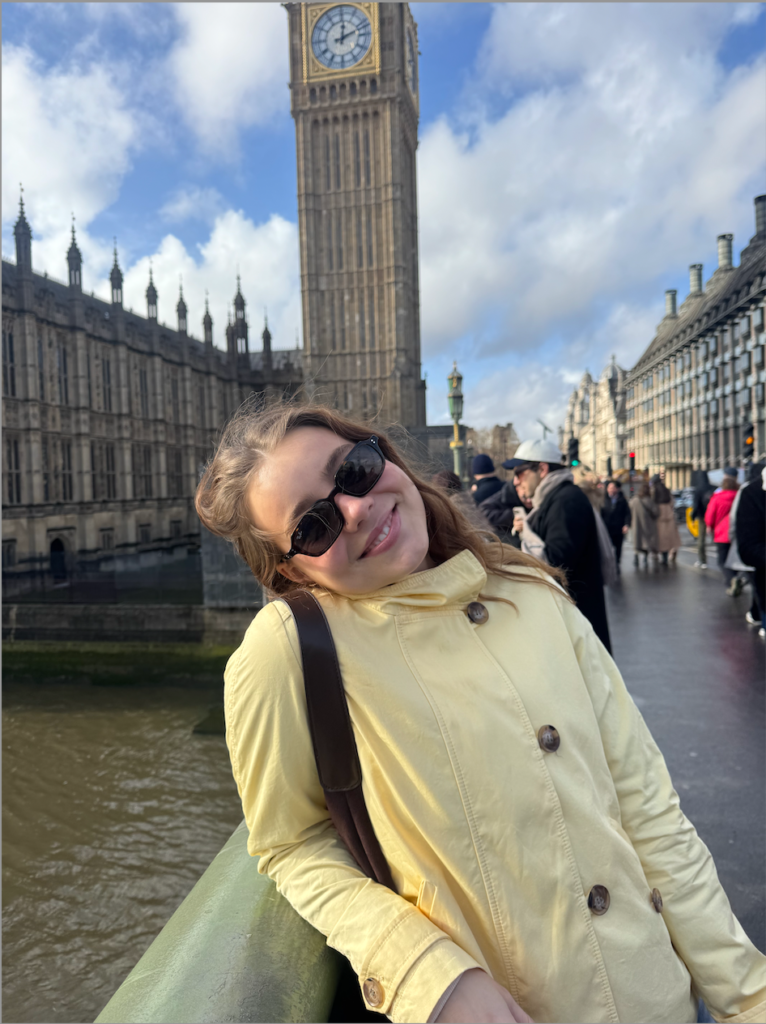
Amelia interned with Results for seven weeks during spring 2026