
fund GPE to support women and girls
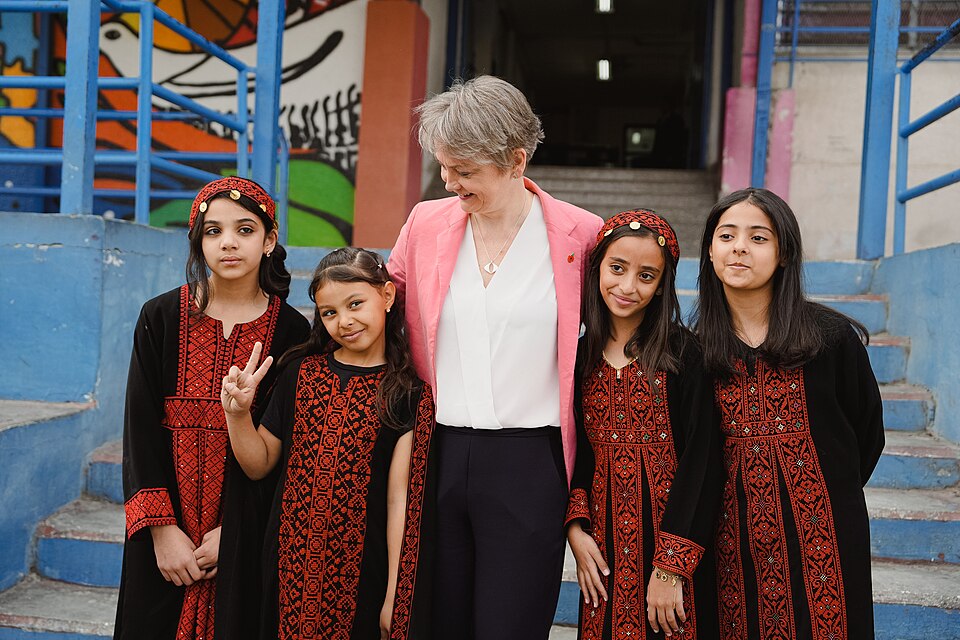
The UK’s Official Development Assistance (ODA) budget for the next three years has just been released by the Government. But the Global Partnership for Education (GPE), which is currently fundraising to sustain its work for 2026-2030, was not mentioned. GPE plays a critical role in improving the lives and futures of women and girls, an issue that matters deeply to the Foreign Secretary, Yvette Cooper. Advancing education for all, including girls, depends on its success.
what
the Global Partnership for Education needs funding
who
Foreign Secretary Yvette Cooper holds the purse-strings!
how
ask your MP to urge Yvette Cooper to fund GPE
the risk to global education
The Global Partnership for Education is the world’s fund for strengthening education systems. It brings together education partners working in low- and middle-income countries, including teachers’ unions, NGOs, the private sector, and donor countries like the UK, to rally behind national education plans designed with Ministries of Education to make lasting change.
GPE works to deliver these plans so that education systems can reach the most marginalised children. This includes girls, who face more barriers to school, with lifelong consequences.
Foreign Secretary Yvette Cooper has put women and girls at the centre of the UK’s international development agenda. But when the budget for ODA allocations was released on 19 March, GPE was not included, raising fears that the UK could give a low financial pledge.
The UK is a critical donor to GPE. If the UK makes a much deeper cut to GPE than it has to other multilateral funds announced in the budget, it would send a damaging signal to other donors. That could result in lower donations overall—and, without a successful funding replenishment, GPE could help fewer children to access quality education.
the UK’s support for GPE
The UK is a founding partner of GPE and is its largest bilateral donor, widely recognised and respected for its support for global education. However, with cuts to the UK’s ODA budget in 2025, there is a real risk that education could be disproportionately affected – something Results campaigners have spoken out about. If you were able to take action on this last year, thank you!
If the UK maintains its investment at current levels within a fully funded GPE, it would be responsible for:
- 11.49 million more girls in school by 2030
- 1.15 million more teachers
- 84.3 million children reached with a better education
If the UK drops its pledge by a proportionate 40%, it could still see:
- 6.9 million more girls in school by 2030
- 700,000 teachers trained
- 50.58 million children reached
But if the UK’s pledge to GPE drops any lower than that, the fund’s ability to deliver its strategy is at risk.
how you can help
Foreign Secretary Yvette Cooper will shortly make a final decision about how much to give GPE for its replenishment, and we are worried that it will see a deep, disproportionate cut compared to other multilateral funds. Please write to your MP as soon as possible to increase the pressure on the UK Government, asking them to urge the Foreign Secretary to protect funding for GPE to support the future of women and girls. You can also share the GPE Youth Call for Action with young people to sign up to; or simply share GPE’s fundraising campaign on your social media.
Find your MP’s contact details here and our advice on writing to them here.
take action!
write to your MP about funding for GPE
share the GPE funding social media campaign
sign the GPE Youth Call For Action
we’re here to support you!
If you have any questions, or need support or advice in writing your letter, please reach out. You can contact Naveed Chaudhri, Director of Campaigns, at [email protected].
community comes together to fund a school for 300 girls
In the remote village of Chamhora, Pakistan, around 300 young girls aged 5 to 10 had no access to a local primary school. Although older girls could manage the longer commutes, the absence of a school in their village left younger children with considerable gaps during their formative years for education.
To find a solution, community members came together to form a network of local civil society groups, leaders and local representatives. With support from GPE, they led a grassroots effort, going door to door to collect the data necessary to submit a formal application for a new school.
The Pakistani Government has since approved the construction of a school, which is now in its early stages of development. Once completed, the school will bring 300 girls one step closer to finally accessing the education they deserve and reaffirming the power of community-led change.
Find out more about this story here.
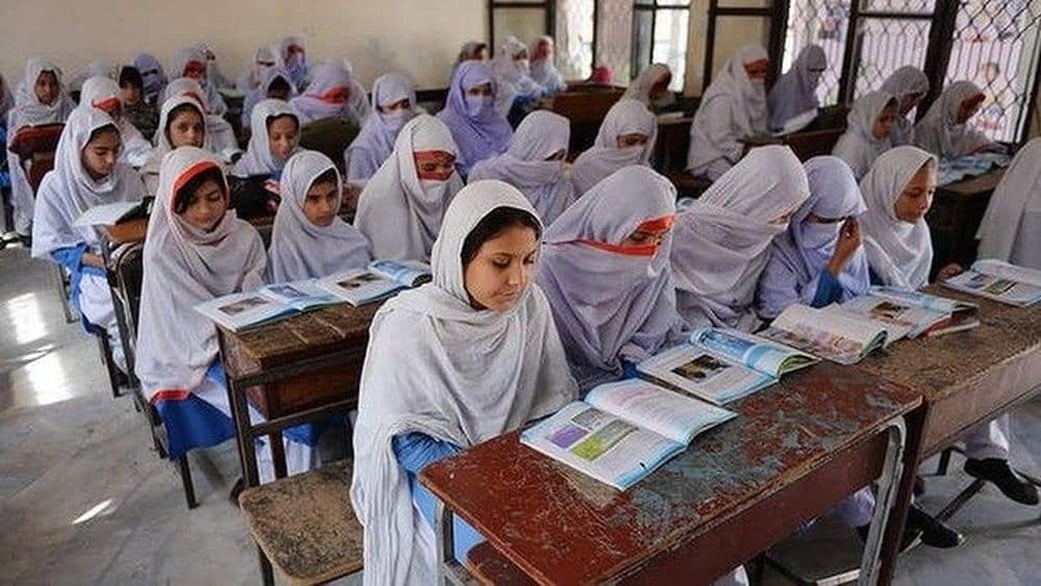
Image: With help from the GPE, soon girls in Chamhora, Mansehra, will have their own school.
Credit: CSEN / GPE